Friday Fabric Facts #3: Stop Paying the 'ETL Tax': The Case for Zero-Copy Analytics in 2026

For the last decade, the data industry sold us a very expensive lie:"To analyze your data, you must first centralize it."

We accepted "Data Gravity" as a law of physics.

We built massive ETL pipelines.

We paid millions in egress fees.

We waited 24 hours for "daily loads" to complete.

And we accepted that 40% of our engineering budget would be spent just moving bytes from Point A (AWS S3) to Point B (Our Warehouse) before a single decision could be made.

That era is over. The new law of physics is Data Virtualization.

Microsoft Fabric’sOneLake Shortcutsarchitecture represents a fundamental shift in how we think about data sovereignty.

It validates a thesis I have held for years:The value of data is defined by its accessibility, not its location.

Today, I’m unpacking why the "Centralize Everything" strategy is failing modern SMBs, and why the future belongs to architectures that leave data where it lands.

The Professional Reality: The "Shadow Data" Crisis

In my work advising CIOs at $50M–$100M organizations, I see the same pattern repeatedly.

Let’s call it the"Logistics Paradox."

I recently audited the architecture of a mid-market logistics firm ($90M ARR).

Their core operational ERP lived in Azure SQL.

But their most valuable competitive asset, 5 years of telemetry data from their fleet sensors, sat dormant in AWS S3 buckets.

Why?

Because their data strategy was built on the "Centralize Everything" dogma.

To bring that S3 data into their Azure analytics environment required:

  1. Massive Engineering Lift:Building robust pipelines to move 40TB of history.
  2. Prohibitive Cost:AWS egress fees + Azure storage duplication fees.
  3. Latency:A 24-hour delay that rendered "real-time route optimization" impossible.

The result? The data stayed in S3.

The "Shadow Data" remained dark.

The insights, which could have saved them 15% in fuel costs, were lost.

This isn't a tooling problem.

It is a strategy problem.

They were trying to solve a 2026 problem with a 2015 playbook.
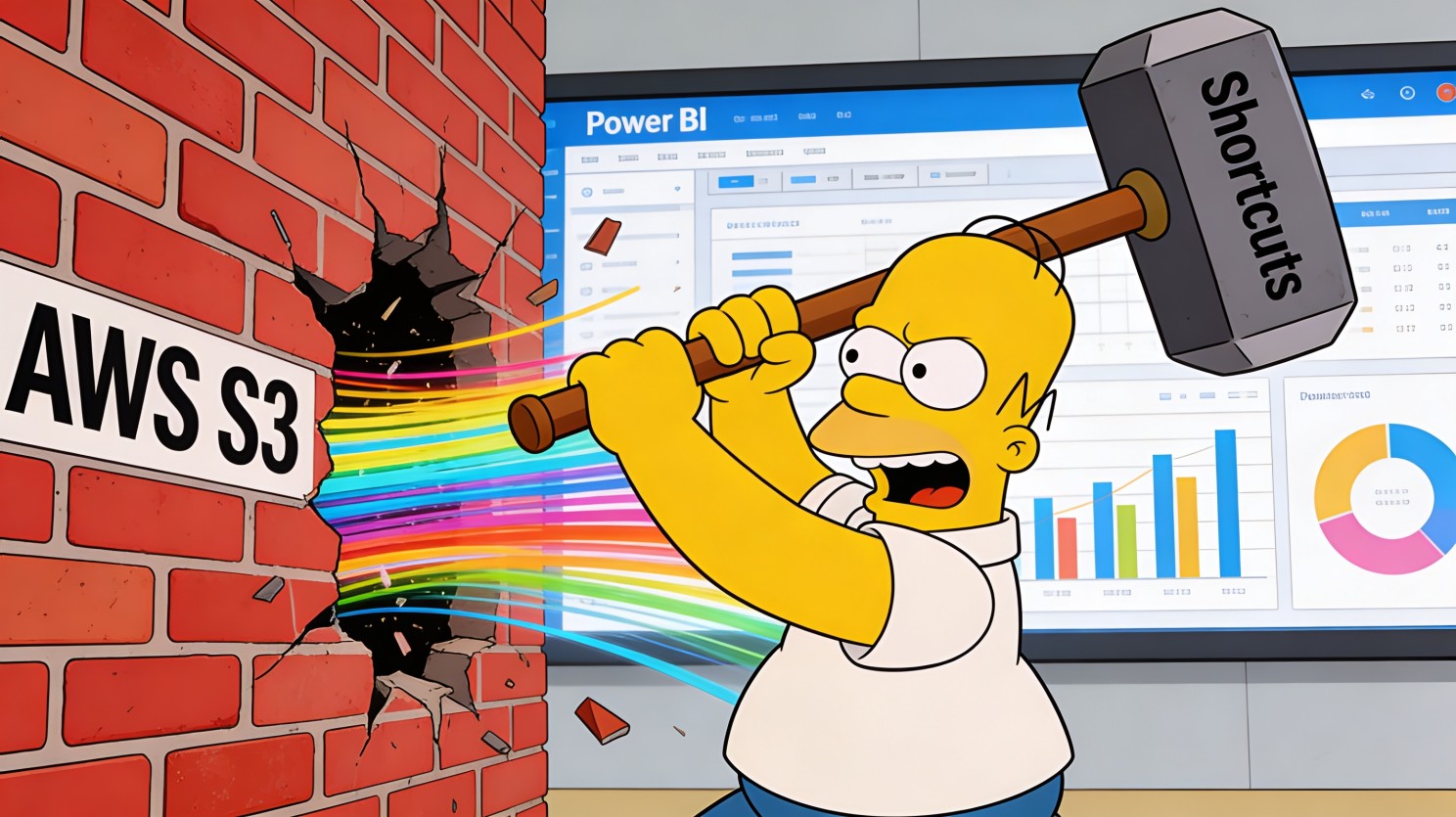
Newsletter Issue 3 Image 01

The Strategic Shift: Virtualization Over Replication

Microsoft Fabric’sOneLake Shortcutsvalidates a different approach.

It acknowledges that multi-cloud is not a temporary inconvenience, it is the permanent state of modern enterprise.

By allowing us to "mount" external storage (AWS S3, Google Cloud, ADLS Gen2) directly into the compute environment without moving the physical files, we change the economic equation of analytics.

This is not just a feature update. It is an architectural philosophy:

  • Decouple Compute from Storage:Run your high-performance Power BI compute engines in Azure while your raw assets remain in cheap AWS S3 cold storage.
  • Eliminate the "ETL Tax":Stop paying engineers to build plumbing. Start paying them to build models.
  • Federated Governance:Apply a single security model (Fabric) over distributed assets.

In the case of that logistics firm, the solution wasn't a better pipeline. It wasvirtualization.

We used Shortcuts to mount the S3 buckets.

The data never moved.

The cost of duplication was zero.

But suddenly, Power BI could see 5 years of history as if it were local.

The outcome wasn't just "faster reports."

It was business agility.

They launched their route optimization model in 3 weeks, not 6 months.

Strategy is useless without execution.

Here is how we connect S3 data to Fabric in 5 minutes, proving that cross-cloud analytics is now a configuration task, not an engineering project.

1. Get your AWS Credentials ready

  • Log into AWS IAM.
  • Create a user with s3:GetObject and s3:ListBucket permissions.
  • Copy theAccess Key IDandSecret Access Key.

2. Create the Shortcut in Fabric

  • Open your Fabric Lakehouse.
  • Right-click on"Files"or"Tables"→ Select"New shortcut".
  • Select"Amazon S3"from the list.
  • Enter your bucket path (s3://my-bucket-name) and paste your credentials.

3. Query it immediately

  • The S3 folder now appears in your Lakehouse explorer as if it were a local folder.
  • Right-click a CSV or Parquet file in that folder →"Load to Table".
  • Open a SQL Endpoint and write: SELECT TOP 100 * FROM MyS3ShortcutTable.
  • Boom. Cross-cloud analytics.

Newsletter Issue 3 Image 02

The "Gotcha" That No One Discusses

However, strategy requires nuance.

The danger of virtualization is that it makes cross-cloud querying feeltooeasy.

I often see teams confuseaccessibilitywithperformance.

Just because youcanquery a JSON file in S3 directly doesn't mean youshoulduse it for a CEO's dashboard.

My Thinking Framework:When designing these architectures, I classify data into two strategic tiers:

  1. "Cold" / Exploratory Data:Leave it where it is (S3). Use Virtualization (Shortcuts). This is for data scientists and ad-hoc analysis where latency is acceptable but agility is paramount.
  2. "Hot" / Decision Data:If this data powers a daily KPI dashboard for the C-Suite, virtualization is the ingestion method, not the serving layer. We use the Shortcut toloadthe data into a cache or Delta table for sub-second performance.

True expertise is knowing when to break the rule.

Virtualization is the bridge, not always the destination.

A Note to My Partners & Peers

The shift to Fabric and Data Virtualization opens a new era for us as technology leaders.

We are no longer "pipeline builders."

We areDecision Architects.

The value we bring to our clients, whether you are an internal leader or a consulting partner, is no longer in how efficiently we can move data. It is in how effectively we cancurateit.

If you are a Microsoft Partner, an MSP, or a Digital Agency struggling to articulate this shift to your clients, or if you need a specialized architect to design the data foundation for your digital transformation projects, this is where I operate.

My team and I focus on the strategic layer of Data & AI readiness. I don't just build reports; I design the decision engines that power modern SMBs.

Let’s elevate the conversation.
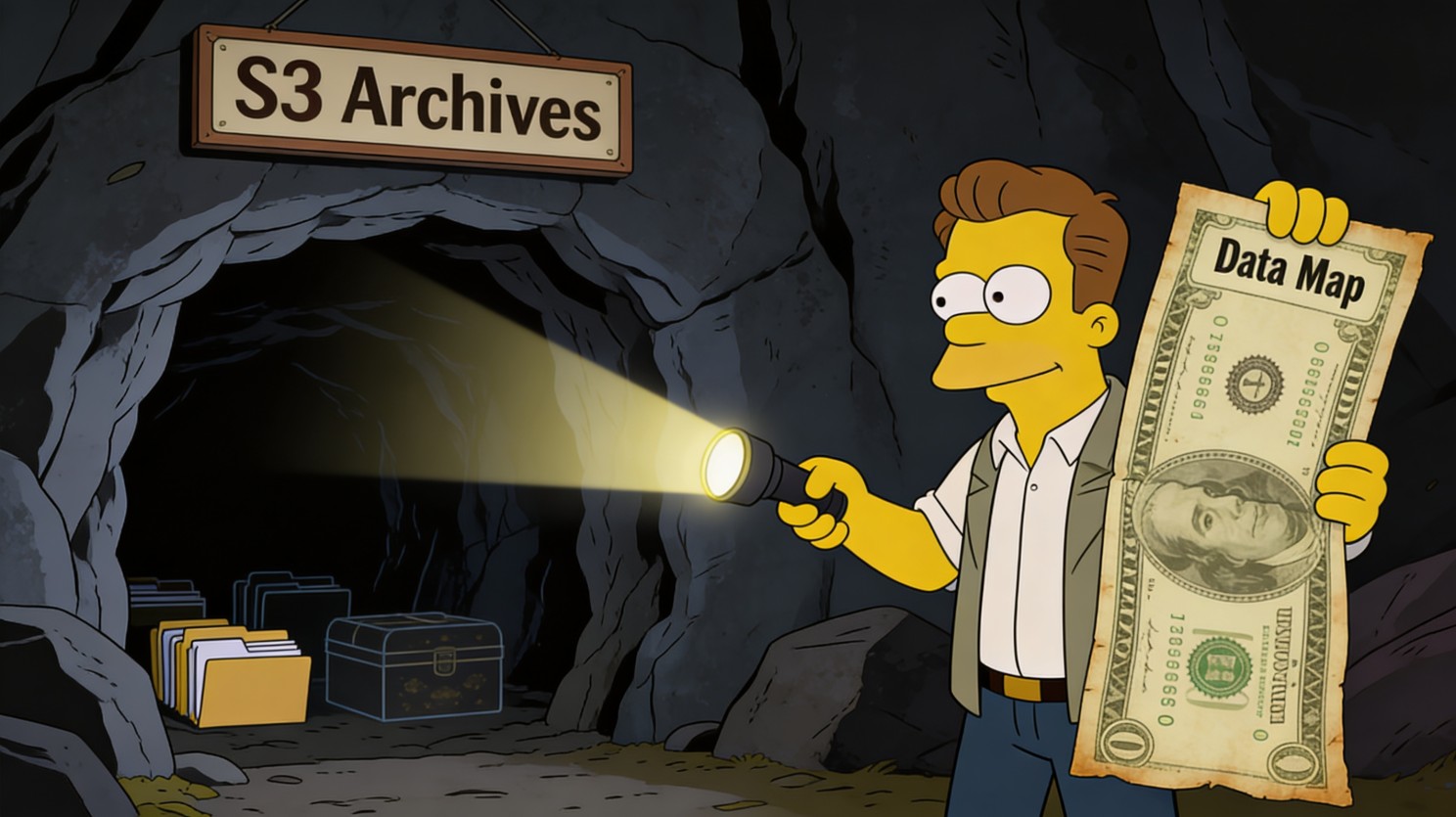
Newsletter Issue 3 Image 03


Isaac Truong | Founder, Allston Yale

Enterprise-grade analytics for $50M–$100M SMBs

Power BI | Fabric | Azure | Data Strategy

📅 Book a 20-min Fabric diagnostic →

📧 Subscribe to get Friday Fabric Facts in your inbox (plus early access to templates) 💼

LinkedIn: Connect with me for daily Fabric tips


Friday Fabric Facts #3: Originally Posted on LinkedIn, February 13, 2026

 

What is Microsoft OneLake

What is Microsoft OneLake?

Microsoft OneLake is the unified data lake for the entire Microsoft Fabric ecosystem. It acts as a single, logical data lake for your whole organization, much like how OneDrive works for office files. It removes the need for multiple storage accounts across different departments.

Allston Yale Serves Businesses in Texas and across the USA

  • The OneDrive for Data

    This centralized approach allows for a simplified user experience where every developer and analyst works from the same foundation. You no longer have to manage disparate silos or worry about which account holds the latest version of your records. It provides a consistent environment for all your big data needs today.

  • A Single Tenant Solution

    Every Microsoft Fabric tenant has exactly one OneLake, which automatically organizes data into intuitive workspaces. This structure ensures that all information is accessible to the right people without complex configuration steps. It’s a massive shift from traditional methods that required manual linking of various systems.

  • Removing Data Duplication

    One of the best parts about this technology is how it eliminates the need to copy data for different tools to use it. Because all Fabric engines like SQL and Spark point to the same location, your teams stay in sync. This efficiency helps bypass the traditional ownership models that usually slow down your projects.

  • Eco-system Integration

    Microsoft has always been known for its powerful eco-system, and this tool plays nicely with Teams and SharePoint. If your organization is already using various Microsoft products, adopting this lake makes perfect sense for your strategy. The data is easily available and accessible to those who need it for daily work.

  • Simplified Data Discovery

    Finding the right information is often a struggle for large teams, but this unified hub changes that reality. It allows users to browse and discover datasets across the entire company from a single portal. This transparency builds trust within the organization and helps people learn something new about their operations.

Why Your Data Strategy Needs This Change

Many companies face a chaotic infrastructure that feels like a house of cards ready to collapse at any moment. Fragmented information across siloed systems often leads to delayed decisions that erode your margins over time. Understanding what Microsoft OneLake is helps you see the path toward a more stable and reliable data environment.

  • Solving the Silo Problem

    Disconnected systems are the silent profit killers in modern firms, leading to massive inefficiencies in every department. When your design insights never reach your finance team, you risk mispricing bids and losing out to your competitors. Breaking these silos is essential for survival in a world where speed is a major factor.

  • Real Time Insights

    Firms stuck in manual workflows are significantly slower to market than their data-driven counterparts who use modern tools. Waiting days to process legacy records is no longer acceptable when you could be getting results in minutes. Moving toward darn-near-real-time (DNRT) processing is a game-changing move for any serious business leader.

  • Reducing Infrastructure Costs

    Standing up a traditional data warehouse environment is often expensive and takes far too long when done incorrectly. By consolidating your storage into a single logical lake, you can significantly reduce the overhead associated with managing cloud resources. This shift allows you to move budget toward projects that provide actual value.

  • Building a Data Culture

    To outclass your competition, you must shift the conversation with leadership to focus on becoming a data-powered house. This involves moving away from static reports that gather dust and toward interactive dashboards that people actually trust. Cultivating this mindset is the backbone of a successful long-term digital transformation.

  • Improving Governance Standards

    Security and compliance are often the biggest obstacles for CIOs who are navigating a changing technological landscape. Having a single place for all your data makes it much easier to establish rock-solid policies for quality and safety. This builds strong trust in your data and protects your organization from potential risks.

OneLake and its Rivals

.bi-table-wrapper { overflow-x: auto; max-width: 100%; } .bi-table { width: 100%; min-width: 700px; border-collapse: collapse; margin: auto; background-color: #fff; color: black; box-shadow: 0 0 10px rgba(0,0,0,0.1); } .bi-table caption { caption-side: top; font-size: 1.6rem; font-weight: bold; padding: 1rem; color: #00897F; text-align: center; } .bi-table th, .bi-table td { padding: 12px 20px; text-align: center; border-bottom: 1px solid #ddd; } .bi-table th { background-color: #00897F; color: white; } .bi-table tr:hover { background-color: #f1f1f1; } .bi-table tbody tr:nth-child(even) { background-color: #f9f9f9; } @media (max-width: 600px) { .bi-table { min-width: 100%; } .bi-table caption { font-size: 1.2rem; padding: 0.75rem; } .bi-table th, .bi-table td { padding: 8px 10px; font-size: 0.9rem; } }
Feature Microsoft OneLake Snowflake Databricks
Storage Model Single Logical Lake Proprietary Storage Open Lakehouse
Integration Native M365/Fabric Multi-cloud Open Source Spark
Data Format Delta Parquet (Open) Proprietary (Closed) Delta Lake (Open)
Virtualization Shortcuts (Native) External Tables UniForm/Mounting
Ease of Use High (SaaS) High (SaaS) Moderate (PaaS)

When looking at OneLake vs Snowflake vs Databricks, the main difference lies in how they handle storage and integration. OneLake offers a more integrated experience for those already in the Microsoft world, while others might require more manual setup. Choosing the right one depends on your existing tech stack and your long-term goals.

Major Features and Competitive Comparison

A standout feature of this platform is the ability to create shortcuts, which allow you to virtualize data without moving it. This capability lets you link to data in Azure Data Lake or even Amazon S3. It’s a hot take, but this could make traditional data engineering migrations a thing of the past.

  • Universal Data Formats

    The system uses Delta Parquet as its native format, which is an open standard that ensures your data is never locked in. This means any tool that understands Delta can work with your files directly without any translation layers. It’s a clean way to ensure OneLake vs Data Lake comparisons favor the modern Fabric approach for most organizations.

  • Direct Lake Performance

    Direct Lake mode is a nifty feature that allows Power BI to report on raw data without needing to import or refresh it. This bypasses the traditional limitations of data size and refresh schedules that have plagued analysts for years. It delivers high performance while keeping the architecture simple and easy for your team to manage.

  • Automatic Data Indexing

    Behind the scenes, the system optimizes how your files are stored and indexed to ensure the fastest possible query speeds. You do not need a whole team of specialists to tune your storage for performance because the platform handles it. This automation allows your experts to focus on solving business problems instead of IT chores.

  • Seamless Office Integration

    Because this lake is part of the Microsoft cloud, it appears as a drive in your file explorer for easy access. Analysts can open data in Excel or other familiar tools as if the files were stored locally on their machines. This accessibility is a massive win for non-technical teams who need to interpret basic analytics.

  • Logical Data Mesh

    The architecture supports a data mesh approach where different business units can co-own their datasets while staying centralized. This gives departments the autonomy they need without creating the mess of completely separate systems. It allows for cross-functional collaboration that helps siloed departments work together on shared goals.

Putting It All Together

Transforming your organization into a data-driven powerhouse is a massive undertaking that requires the right foundation to succeed. Microsoft OneLake provides that foundation by unifying your storage and simplifying how your team interacts with information. It’s about turning your data chaos into clarity so you can make strategic moves with confidence.

  • The Power of One

    Having everything in one place in a single workspace is a dream for many IT professionals who are tired of juggling vendors. You do not need a dozen different tools when you have a system that handles storage, engineering, and visualization. This consolidation is a major component to outclassing your competitors in the modern market.

  • Trusting Your Insights

    People must be able to trust the information they see on their dashboards to make massive strategic moves every day. By using a single source of truth, you eliminate the conflicting reports that often lead to confusion and inaction. When your team trusts the data, their efficiency will shoot through the roof in a matter of months.

  • Education is Key

    Data can be either your biggest ally or your toughest obstacle depending on how you use it. Investing in training and the right infrastructure will turn resistant staff into advocates for your new data strategy. This shift can have a massive impact, making data the backbone of your entire business operation.

  • A Scalable Future

    As your company grows, your infrastructure must be able to scale without requiring a complete overhaul of your technology stack. The logical lake approach ensures that you can add new sources and users without adding unnecessary complexity to the system. It’s a robust way to safeguard your organization against the risks of future changes.

Take the First Step

If your current data environment feels disorganized or your reports make no sense, it’s time to take action before things collapse. Allston Yale is the Microsoft Fabric consultancy that can help you navigate this complex landscape and find the best path forward for your specific business needs. Book a free data check up to start your journey today!

Sources

Allston Yale Serves Businesses in Texas and across the USA