Charts in Microsoft Fabric

Charts in Microsoft Fabric

Visual Clarity with Fabric-Integrated Charts

Charts in Microsoft Fabric unify your data into sleek, real-time visuals. From KPIs to forecasts, Allston Yale helps teams transform raw metrics into meaningful insights; all within Microsoft’s end-to-end platform.

Allston Yale Serves Businesses in Texas and across the USA

Visualize Data Across the Fabric Stack

Charts in Microsoft Fabric are built using Power BI and supported across the Fabric ecosystem. Whether your data originates from Synapse, OneLake, or Data Factory, visuals remain updated and dynamic. These role-based views enable accurate, data-driven collaboration enterprise-wide.

Unified Visuals, Smarter Dashboards

Charts in Microsoft Fabric combine real-time data with smart design, giving your teams role-based dashboards that update instantly. Visuals stay synced, clear, and ready for action.

  • Real-time visuals from multiple sources - Allston Yale

    Real-time visuals from multiple sources

    Fabric charts pull live data from diverse tools (e.g. Data Factory, OneLake, Synapse) and display synchronized insights across Power BI dashboards. Teams access updates instantly without needing manual refreshes.

  • Embedded AI suggestions for chart types - Allston Yale

    Embedded AI suggestions for chart types

    Microsoft Fabric’s AI-enhanced reporting recommends optimal visualizations based on your data. These smart suggestions speed up design and improve how insights are communicated across stakeholder levels.

  • Native integration with Lakehouse and OneLake - Allston Yale

    Native integration with Power BI visuals

    Fabric charts use Power BI’s full visualization library, ensuring every chart aligns with best practices in dashboard design while offering customization that fits any reporting use case.

  • Easier collaboration with Microsoft 365 apps - Allston Yale

    Easier collaboration with Microsoft 365 apps

    Charts created in Fabric are easily shared in Teams, embedded in SharePoint, and reviewed through Excel. This seamless connection accelerates collaboration across technical and non-technical users.

  • Seamless collaboration through Microsoft 365 - Allston Yale

    Simplified governance with centralized data controls

    With Microsoft Fabric, your charts inherit secure governance from OneLake, enabling access control, audit tracking, and data lineage from a single point of truth.

Charts for Every Business Question

Allston Yale designs Microsoft Fabric chart libraries that align with operational needs and strategic goals. Each chart is selected for clarity, performance, and relevance.

  • Bar & Column Charts

    Visualize KPIs like sales by department or service delivery by region. Great for comparing performance across timeframes or categories in a clear format.

  • Line Charts

    Plot trends such as customer growth, system load, or marketing impact. Track movement over time to forecast and respond quickly to change.

  • Pie Charts

    Highlight proportional data such as revenue share by product line or customer distribution by market segment, offering easy-to-grasp overviews.

  • Waterfall Charts

    Break down value changes like net profit, cost variance, or departmental expenses. Helps illustrate how each step contributes to a final total.

  • Scatter Plots

    Reveal hidden patterns: such as customer age vs. spending or defect rate vs. operator hours. Ideal for spotting outliers and correlations.

  • TreeMaps

    Display hierarchical data visually, like budget by business unit or inventory by category. Area size indicates importance, adding clarity at a glance.

  • Decomposition Trees

    Allow users to drill into metrics step-by-step. Explore drivers behind key indicators like revenue dips or service delays interactively.

  • Gauge Charts

    Monitor progress toward business goals like production uptime or sales quota attainment. Useful for executives who need a fast performance snapshot.

Industry Insights at a Glance

Microsoft Fabric charts allow Allston Yale to design dashboards that speak your sector’s language: clear visuals, real metrics, fast decisions.

  • Manufacturing

    Track throughput, downtime, and yield across shifts or sites. Visuals surface where processes slow and improvements can be made.

  • Energy & Utilities

    Map asset health, energy usage, or outage locations in real time. Quickly pinpoint anomalies that impact operations or safety.

  • Finance

    Visualize cash flow, risk levels, and profitability by division. Dashboards help CFOs and analysts make timely, risk-aware decisions.

  • Healthcare

    Monitor patient loads, treatment timelines, and scheduling gaps. Charts keep clinical and administrative teams aligned in care delivery.

  • Construction

    Stay on top of project milestones, budgets, and contractor performance. Visuals simplify timeline tracking and budget control.

  • Retail

    Assess foot traffic, online conversion rates, and product-level inventory. Gain insights into buyer behavior and sales trends across locations.

Solving the Charting Bottlenecks

Microsoft Fabric charts resolve the limitations of legacy tools by unifying visuals, speeding up reporting, and improving data fluency.

  • Disconnected visuals across teams - Allston Yale

    Disconnected visuals across teams

    Teams using separate tools often lose alignment. Fabric connects them under one platform, keeping everyone on the same visual page.

  • Slow updates from fragmented data sources - Allston Yale

    Slow updates from fragmented data sources

    Real-time integration means dashboards update instantly, no more chasing CSVs or waiting on weekly batch uploads.

  • Inconsistent formats across departments

    Inconsistent formats across departments

    Allston Yale standardizes chart design and metrics, so dashboards feel familiar regardless of function or user.

  • Manual chart-building in spreadsheets - Allston Yale

    Manual chart-building in spreadsheets

    Automated visuals replace manual Excel work, saving hours while improving data accuracy and visual polish.

  • Siloed insights that hinder enterprise agility - Allston Yale

    Limited drill-down or real-time interactivity

    Fabric’s advanced visuals support filtering, drill-through, and live exploration; giving users control, not just snapshots.

Charts in Microsoft Fabric Built for Action

Charts in Microsoft Fabric give you the edge with clear, scalable, and secure reporting. At Allston Yale, we design tailored chart libraries that bring your KPIs to life, from executive scorecards to department-level dashboards. Book your consultation today and put your data to work. 

Copilot in Microsoft Fabric

Copilot in Microsoft Fabric

Revolutionize Your Workflow with AI Guidance

Copilot in Microsoft Fabric empowers users to navigate complex datasets, automate repetitive tasks, and generate actionable insights faster. This knowledgebase page guides you through its features, helping your team harness AI to improve analytics efficiency and decision-making.

Make sense of your business data with clear, interactive visuals. This page explains what is Power BI, how it works, and why Allston Yale recommends it for any organization seeking actionable insight and informed strategy.

Allston Yale Serves Businesses in Texas and across the USA

What Is Copilot in Microsoft Fabric

Copilot in Microsoft Fabric is an AI-powered assistant embedded in Microsoft Fabric, enabling natural language queries, automated analytics, and predictive insights. Users can create reports, dataflows, and visualizations efficiently, reducing manual effort while increasing data accuracy.

AI Analytic Features Across Multiple Tools

Understanding how Copilot integrates with Microsoft Fabric can be enhanced by comparing its capabilities with other analytics tools. The table below highlights key features, helping users see the unique advantages and workflow efficiencies Copilot delivers.

Microsoft Fabric Copilot vs Standard Analytics Tools
Feature Microsoft Fabric Copilot Standard Analytics Tools
Natural Language Queries Users ask questions in plain English to generate insights instantly Typically requires manual query construction, slowing workflow.
Automated Dataflows Creates pipelines automatically from datasets, reducing setup time Users must manually configure ETL processes.
Predictive Insights Provides forecasts and trend analyses based on AI models Predictive features often require separate AI modules.
Visualization Generation Automatically suggests charts, dashboards, and reports Visualizations must be manually created from scratch.
Collaboration Integration Works within workspaces, allowing teams to share AI-driven insights Collaboration limited to standard sharing features without AI support.
  • Natural Language Queries

    Natural Language Queries

    Copilot lets users ask questions in plain English to generate instant insights, eliminating complex query writing and speeding analysis. Standard tools usually require manual query construction, slowing workflow efficiency and increasing error risk.

  • Automated Dataflows

    Automated Dataflows

    Copilot automates pipeline creation from datasets, reducing manual ETL setup and freeing teams to focus on analytics strategy. Traditional analytics tools require configuring each step manually, which can be time-consuming and error-prone.

  • Predictive Insights

    Predictive Insights

    AI-driven forecasts and trend analyses in Copilot help teams anticipate changes, optimize planning, and make data-driven decisions. Standard tools often need separate predictive modules, delaying insights and requiring advanced expertise.

  • Visualization Generation

    Visualization Generation

    Copilot suggests charts, dashboards, and reports automatically, allowing users to visualize data faster and more effectively. Standard analytics tools require users to manually create visualizations, slowing workflow and increasing the risk of misrepresentation.

  • Collaboration Integration

    Collaboration Integration

    Copilot works within Fabric workspaces, letting teams share AI-generated insights in real-time for seamless collaboration. Standard analytics tools often lack AI-assisted collaboration features, making team communication less efficient and insight sharing slower.

Advantages of Leveraging Copilot Services

Allston Yale helps teams fully implement Copilot in Microsoft Fabric, optimizing workflows and maximizing ROI. Our services ensure proper setup, user training, and best practices for analytics, enabling organizations to extract actionable insights efficiently.

  • Faster Insights

    Copilot in Microsoft Fabric accelerates report creation, data analysis, and visualization, allowing teams to quickly transform raw data into actionable business decisions. By reducing the time from data collection to insight, Copilot enhances operational efficiency.

  • Error Reduction

    AI-powered guidance from Copilot helps minimize human errors during data entry, transformation, and analysis. This ensures datasets remain accurate, reliable, and trustworthy, supporting high-quality insights and consistent decision-making across the enterprise.

  • Enhanced Collaboration

    Copilot-generated insights can be shared easily within Fabric workspaces, fostering better communication and coordination across teams and departments. This seamless collaboration ensures unified analytics efforts and faster, more informed decisions.

  • Predictive Analytics

    Copilot leverages AI to identify trends, generate forecasts, and reveal hidden patterns in data. By providing forward-looking insights, it empowers teams to anticipate changes, plan proactively, and implement strategic initiatives with confidence.

  • User Empowerment

    Through Allston Yale’s training and guidance, teams learn to utilize Copilot effectively, increasing adoption and confidence. This ensures AI-powered features are leveraged fully, improving workflow efficiency and enabling teams to achieve better outcomes.

Fly High with Ease with Copilot in Microsoft Fabric

Allston Yale’s Copilot services transform how organizations interact with data, combining AI assistance, streamlined workflows, and expert guidance. Explore Copilot in Microsoft Fabric today to enhance analytics efficiency, reduce errors, and gain actionable insights. Book your consultation now.

Sources

Features of Microsoft Fabric

Features of Microsoft Fabric

Unleash the Power of Microsoft Fabric Features

Microsoft Fabric offers a unified analytics platform that empowers businesses to streamline data access, governance, and insights. This page explores the core features of Microsoft Fabric, helping teams understand its capabilities and why it drives smarter enterprise decisions.

Make sense of your business data with clear, interactive visuals. This page explains what is Power BI, how it works, and why Allston Yale recommends it for any organization seeking actionable insight and informed strategy.

Allston Yale Serves Businesses in Texas and across the USA

What Microsoft Fabric Offers

Microsoft Fabric integrates storage, compute, and analytics in a single environment. Its features include OneLake storage, integrated AI, shortcuts, and cross-platform connectivity. By centralizing workloads, Fabric ensures seamless collaboration, faster insights, and reduced infrastructure complexity

Features Deep Dive

To illustrate how features of Microsoft Fabric improve data operations, the following table compares major functionality with traditional solutions, showing the value of Fabric’s unified approach source: 

Microsoft Fabric Key Features
Feature Description Advantage
OneLake Storage Centralized storage for all data sources Provides a single source of truth across clouds and accounts
Shortcuts Pointers to external/internal storage locations Enables direct access to data without duplication, improving performance
Integrated AI AI models embedded in Fabric workloads Allows predictive analytics directly on datasets, streamlining insights
Unified Permissions Centralized access control Simplifies security management and reduces credential redundancy
Cross-Platform Connectivity Connects Azure, AWS, and other clouds Facilitates seamless data integration across platforms (Azure Synapse Analytics Overview)
Data Governance Built-in compliance and lineage tools Enhances data quality and regulatory compliance (Microsoft Fabric Benefits)
  • OneLake Storage

    OneLake Storage

    OneLake shortcuts let users access all enterprise data through a unified namespace without configuring each workload separately. This centralization simplifies analytics, reduces setup time, and ensures consistent access across all Fabric services.

  • Shortcuts

    Shortcuts

    Allow teams to access external or internal data directly through OneLake, avoiding unnecessary copies, saving storage, and speeding workflows without impacting original datasets.

  • Integrated AI

    Integrated AI

    Fabric includes embedded AI capabilities, allowing users to run predictive models and advanced analytics on data without moving it between services, accelerating insight generation.

  • Unified Permissions

    Unified Permissions

    Centralizes all access rights in OneLake, reducing redundant credential setups, simplifying security management, and ensuring consistent permission policies across workloads.

  • Cross-Platform Connectivity

    Cross-Platform Connectivity

    Fabric shortcuts and connectors enable seamless integration with Azure, AWS, and other platforms, facilitating multi-cloud analytics without complex data pipelines.

  • Data Governance

    Data Governance

    Built-in tools provide compliance monitoring, data lineage, and quality checks, ensuring organizations can meet regulatory requirements and maintain trustworthy datasets.

Benefits of Implementing Microsoft Fabric

Allston Yale’s Microsoft Fabric services empower enterprises to leverage advanced data capabilities with ease. Our services optimize your workflows, reduce infrastructure complexity, and deliver faster, actionable insights.

  • Streamlined Analytics

    A unified Microsoft Fabric environment removes the need for multiple disconnected tools, enabling teams to explore, analyze, and report on data faster, streamlining workflows, and increasing efficiency across your organization.

  • Centralized Data

    With OneLake storage, all enterprise data is centralized in a consistent location. This ensures secure access, easy collaboration across departments, and a single source of truth that simplifies data management and enhances operational efficiency.

  • Reduced Duplication

    Fabric shortcuts allow direct access to data without creating redundant copies. This reduces storage costs, minimizes unnecessary data duplication, improves workflow speed, and ensures that teams are always working with the most current version of each dataset.

  • Enhanced Security

    Centralized permission management in Microsoft Fabric reduces the risk of inconsistent access controls, simplifies credential oversight, and ensures that users only see data they are authorized for, enhancing overall organizational security and compliance.

  • Cross-Cloud Insights

    Microsoft Fabric integrates seamlessly with Azure, AWS, and other cloud platforms, enabling data analytics across multiple environments. This allows organizations to combine insights from different sources without complex ETL processes or fragmented workflows.

  • Improved Decision-Making

    Embedded AI models and governance features in Fabric provide predictive insights, quality checks, and compliance monitoring. This helps organizations make data-driven decisions confidently, anticipate trends, and maintain regulatory standards effectively.

What is Microsoft Fabric Shortcuts? Unlock Unified Data

Microsoft Fabric shortcuts allow organizations to centralize data access, cut redundant copies, and streamline analytics. Allston Yale’s services help you deploy these shortcuts effectively, improving efficiency and insight delivery. Book a consultation today to optimize your data environment.

How to Start with Microsoft Fabric

How to Start with Microsoft Fabric

Weave Intelligent Insights with Microsoft Fabric

Discover the power of Microsoft Fabric and unify your data effortlessly. This guide shows you how to start with Microsoft Fabric, helping your team connect, analyze, and act faster while reducing data duplication and complexity across cloud environments.

Make sense of your business data with clear, interactive visuals. This page explains what is Power BI, how it works, and why Allston Yale recommends it for any organization seeking actionable insight and informed strategy.

Allston Yale Serves Businesses in Texas and across the USA

Grasping Microsoft Fabric

Microsoft Fabric is a unified analytics platform that integrates data across services like OneLake, Power BI, and Synapse. By connecting to multiple sources, it simplifies analytics workflows, centralizes storage, and enables scalable insights for faster, smarter decisions 

Assessing Data Platform Features

Before diving in, it’s essential to understand how Microsoft Fabric compares to other popular platforms. The table below highlights key differences in data access, analytics speed, integration, and collaboration capabilities to help you make an informed choice

Fabric vs Synapse vs Redshift
Feature Microsoft Fabric Azure Synapse AWS Redshift
Unified Data OneLake unifies data for all workloads, eliminating extra copies Synapse integrates Azure data, separate setups may be required Redshift uses cluster storage, limited cross-cloud integration
Analytics Speed Direct connections reduce latency and speed workflows Parallel queries enhance performance in Azure environments Columnar storage improves performance for big datasets
Permissions Centralized access controls simplify security Role-based Azure permissions must be configured individually IAM policies manage access across Redshift clusters
Cross-Cloud Connects Azure, AWS, and other sources seamlessly Primarily Azure-native, limited cross-cloud Requires additional tools for multi-cloud integration
  • Data Centralization

    Data Centralization

    Microsoft Fabric’s OneLake ensures all data is accessible from a single virtual lake, reducing redundant copies and simplifying access for all workloads.

  • Speed of Analysis

    Speed of Analysis

    Direct connections and shortcuts in Microsoft Fabric accelerate workflows, reducing latency and enabling near real-time insights for analytics across platforms

  • Access Control

    Access Control

    Centralized access management in Fabric streamlines credentials and governance, minimizing configuration errors compared to managing individual roles in other platforms.

  • Cross-Cloud Interoperability

    Cross-Cloud Interoperability

    Fabric integrates seamlessly with Azure, AWS, and external sources, providing multi-cloud analytics without additional setup, unlike Synapse or Redshift

How Microsoft Fabric Services Elevate Your Data

Allston Yale’s Microsoft Fabric Services streamline your analytics and data workflows. By adopting our services, organizations experience centralized storage, reduced duplication, improved governance, seamless cloud integration, faster insights, and simplified access management.

  • Centralized Storage

    Consolidate all enterprise data in OneLake for streamlined management, effortless collaboration, and smooth access across teams and workloads, reducing complexity and enhancing efficiency.

  • Reduced Duplication

    OneLake shortcuts and unified storage cut down on unnecessary data copies, lowering storage costs and minimizing processing delays, while keeping analytics workflows clean and efficient.

  • Faster Insights

    Direct connections through Microsoft Fabric accelerate data workflows, allowing teams to access accurate insights quickly and make informed, strategic decisions without waiting on slow data transfers.

  • Simplified Governance

    Centralized permission and credential management in OneLake reduces configuration errors, ensures consistent security, and keeps compliance intact across all workloads and analytical processes.

  • Multi-Cloud Integration

    Microsoft Fabric enables seamless integration with Azure, AWS, and other platforms, providing true cross-cloud analytics and eliminating the need for complex multi-cloud setups or duplicate pipelines.

  • Enhanced Collaboration

    Teams can securely access, share, and analyze data from a single source in OneLake, boosting productivity, breaking down silos, and enabling more coordinated, data-driven decisions.

How to Start with Microsoft Fabric, Contact Allston Yale

Start your journey with Microsoft Fabric and unlock the full potential of unified analytics. Allston Yale ensures smooth implementation, centralized data access, and faster insights. Contact us today to schedule your consultation on how to start with Microsoft Fabric.

Microsoft Fabric vs Looker Studio

Microsoft Fabric vs Looker Studio

Traverse the Future of Analytics Platforms

Choosing between Microsoft Fabric and Looker Studio requires a clear understanding of your data goals. This page explores Microsoft Fabric vs Looker Studio and helps you find the right fit for data integration, visualization, and AI-powered decision-making.

Allston Yale Serves Businesses in Texas and across the USA

The Right Tool for the Job

Microsoft Fabric is a unified analytics platform that integrates data movement, storage, and visualization under one roof. Looker Studio (formerly Google Data Studio) focuses on easy-to-use data visualization and reporting. Each caters to different parts of the data stack.

Comparing Use Cases and Features

Microsoft Fabric excels in enterprise-scale analytics, offering strong data governance, deep integration with Microsoft tools, and AI-powered insights. In contrast, Looker Studio is ideal for quick, visual reporting and marketing dashboards with a low learning curve and seamless Google Workspace integration.
  • Feature/Function

    Best For

    Data Sources

    Core Strength

    Data Governance 

    Learning Curve

    Platform Integration

  • Microsoft Fabric

    • Enterprise-scale analytics & data engineering

    • Azure, Power BI, SQL, Dataverse, OneLake

    • Unified platform with integrated AI

    • Strong controls with role-based access

    • Moderate to high

    • Seamless with Microsoft tools
  • Looker Studio

    • Lightweight dashboards & marketing insights

    • Google Ads, Sheets, BigQuery, third-party APIs

    • Drag-and-drop visual reporting

    • Limited—mostly tied to Google ecosystem

    • Low—good for quick adoption

    • Seamless with Google Workspace
  • Power BI

    • Enterprise-scale analytics & data engineering

    • Azure, Power BI, SQL, Dataverse, OneLake

    • Unified platform with integrated AI

    • Strong controls with role-based access

    • Moderate to high

    • Seamless with Microsoft tools
  • Looker Studio

    • Lightweight dashboards & marketing insights

    • Google Ads, Sheets, BigQuery, third-party APIs

    • Drag-and-drop visual reporting

    • Limited—mostly tied to Google ecosystem

    • Low—good for quick adoption

    • Seamless with Google Workspace

Strategic Benefits of Each Tool

When comparing Microsoft Fabric vs Looker Studio, the question isn’t which is better; but which better suits your organization’s goals. Fabric enables deep data transformation and lakehouse architecture, while Looker Studio makes simple, fast insights accessible to teams across marketing and operations.
  • Unified Analytics Strategy

    We help you streamline your tech stack with the best-fit tools,balancing power and usability across departments.
  • Customized Integrations

    Our engineers design data pipelines and workflows to match your systems, users, and reporting needs.
  • Governance & Security

    We implement strong access controls and data governance policies aligned with industry compliance standards.
  • Cross-Platform Enablement

    We train your teams to work confidently across Microsoft and Google environments to ensure adoption and usability.
  • Visual Storytelling Expertise

    We create reports and dashboards that not only look good but also tell a story with your business data.
  • Long-Term Scalability

    We architect your solution to grow with your data, keeping your operations agile and insights timely as you expand.

Benefits of Implementing Microsoft Fabric or Looker Studio

Choosing the right platform is just the beginning. With Allston Yale’s support, implementation becomes seamless, secure, and tailored to business outcomes. We empower your teams with efficient analytics operations, whether using Microsoft Fabric, Looker Studio, or both.

Microsoft Fabric vs Looker Studio, Final Considerations

Navigating Microsoft Fabric vs Looker Studio requires more than feature lists, it takes strategy and technical alignment. Allston Yale combines business-first thinking with platform expertise to help you move from uncertainty to action. Book a discovery call now and let’s build your analytics future together.

Sources:Microsoft Fabric Documentation – Microsoft Learn,Looker Studio Help – Google Support, Gartner Peer Insights: Microsoft vs Looker, Forrester Wave: BI Platforms

Power BI vs Microsoft Fabric

Power BI vs Microsoft Fabric

Navigating Two Microsoft Powerhouses

With the rise of integrated analytics platforms, the Power BI vs Microsoft Fabric question is more relevant than ever. This page helps you understand their roles and when to use each, whether for business intelligence, data engineering, or full-stack analytics.

With the rise of integrated analytics platforms, the Power BI vs Microsoft Fabric question is more relevant than ever. This page helps you understand their roles and when to use each, whether for business intelligence, data engineering, or full-stack analytics.

Allston Yale Serves Businesses in Texas and across the USA

Understanding the Tools Behind the Tech

Power BI vs Microsoft Fabric is not a head-to-head competition but a matter of purpose. Power BI is Microsoft's business intelligence tool for creating dashboards, reports, and visuals. Microsoft Fabric is a unified data platform combining Power BI with Synapse, Data Factory, and other services for end-to-end analytics management.

Comparative Use Cases and Capabilities

  • Feature / Application

    Primary Function

    Target Users

    Deployment

    Components

    Ideal Use Case

    Pricing

  • Power BI

    • Data visualization and reporting

    • Analysts, BI teams, report consumers

    • Standalone or embedded in Microsoft ecosystem

    • Reports, dashboards, Power Query

    • Business reporting, KPIs, executive dashboards

    • Free and Pro/Premium tiers
  • Microsoft Fabric

    • Unified data integration, warehousing, and BI

    • Data engineers, architects, enterprise IT teams

    • Fully integrated SaaS platform within Azure

    • Power BI, Synapse, Data Factory, Lakehouse, etc.

    • Full pipeline: ingest, transform, visualize

    • Based on consumption, workspace, and service tiers
  • Power BI

    • Data visualization and reporting

    • Analysts, BI teams, report consumers

    • Standalone or embedded in Microsoft ecosystem

    • Reports, dashboards, Power Query

    • Business reporting, KPIs, executive dashboards

    • Free and Pro/Premium tiers
  • Microsoft Fabric

    • Unified data integration, warehousing, and BI

    • Data engineers, architects, enterprise IT teams

    • Fully integrated SaaS platform within Azure

    • Power BI, Synapse, Data Factory, Lakehouse, etc.

    • Full pipeline: ingest, transform, visualize

    • Based on consumption, workspace, and service tiers

Benefits of Microsoft Analytics Tools

Working with Allston Yale to evaluate Power BI vs Microsoft Fabric ensures your organization uses each platform strategically. We help determine when standalone BI is enough—or when Fabric’s full stack offers a smarter, long-term solution.

  • Strategic Tool Alignment

    We assess your data maturity and match your goals to the right tool—whether Power BI alone or within Microsoft Fabric’s broader ecosystem.

  • Unified Architecture Planning

    Our team helps consolidate fragmented tools into one governed environment, using Microsoft Fabric’s Lakehouse, Data Factory, and Power BI capabilities.

  • Improved Collaboration Across Teams

    With shared workspaces, lineage tracking, and role-based access, we streamline communication between analysts, engineers, and business users.

  • Sustainable Growth and Support

    Allston Yale offers managed services, performance tuning, and training to help your data culture grow beyond initial deployment.

  • Accelerated Implementation

    From workspace setup to governance rules, we configure your environment for success—whether you’re visualizing metrics or orchestrating data pipelines.

  • Real-Time, Enterprise-Scale Insights

    We architect scalable solutions for batch and real-time reporting, ensuring data is accessible, performant, and trustworthy at all levels.

Power BI vs Microsoft Fabric: Define Your Future

The conversation around Power BI vs Microsoft Fabric is ultimately about scale and integration. Allston Yale helps Texas businesses build flexible data environments—whether that means leveraging standalone Power BI or unlocking the full Fabric platform. Book a strategy call today and turn your data into a competitive advantage.

Prevent Data Loss in Microsoft Fabric

Prevent Data Loss in Microsoft Fabric

Protect Your Data with Microsoft Fabric Today

Safeguarding critical data is vital for any business. This guide on Prevent Data Loss in Microsoft Fabric explains how Allston Yale helps organizations secure data, maintain compliance, and avoid costly disruptions across multi-cloud environments.

Make sense of your business data with clear, interactive visuals. This page explains what is Power BI, how it works, and why Allston Yale recommends it for any organization seeking actionable insight and informed strategy.

Allston Yale Serves Businesses in Texas and across the USA

How Microsoft Fabric Safeguards Data

Prevent data loss in Microsoft Fabric works by centralizing storage, enforcing consistent access permissions, and using OneLake shortcuts to avoid redundant copies. All workloads connect securely, reducing the risk of accidental deletion, corruption, or exposure, keeping your data safe at all times.

Comparing Data Loss Prevention Tools

Understanding the strengths of different platforms helps businesses choose the right tools to prevent data loss. The table below compares Microsoft Fabric with other popular solutions, highlighting storage efficiency, centralized governance, multi-cloud integration, and workflow performance for secure operations.

Data Platform Security & Performance Comparison
Tool Key Feature Security Advantage Performance Edge
Microsoft Fabric OneLake shortcuts & unified storage Centralized permissions prevent unauthorized access and accidental deletion Direct connections minimize latency and eliminate redundant copies
Azure Synapse Analytics Enterprise-grade data warehouse Role-based access controls maintain security across workloads Optimized query performance accelerates analytics
AWS Redshift Scalable cloud data warehouse Fine-grained IAM policies ensure data is protected High throughput for large-scale data processing
Snowflake Multi-cluster shared data architecture Comprehensive governance reduces risk of data exposure Auto-scaling clusters improve processing speed
  • Data Centralization

    Microsoft Fabric

    Microsoft Fabric centralizes enterprise data with OneLake shortcuts, reduces redundant copies, and handles all permissions centrally, minimizing accidental data loss while boosting workflow speed and enabling seamless cross-platform analytics.

  • Speed of Analysis

    Azure Synapse Analytics

    Azure Synapse Analytics safeguards data using strict role-based access controls, optimizes queries for fast insights, and ensures secure management of enterprise operations, helping organizations maintain data integrity while accelerating analytics.

  • Access Control

    AWS Redshift

    AWS Redshift employs fine-grained IAM policies to prevent unauthorized access, while its high-performance architecture manages massive datasets efficiently, reducing the risk of data loss and supporting secure, large-scale analytics for enterprises.

  • Cross-Cloud Interoperability

    Snowflake

    Snowflake’s multi-cluster architecture provides strong governance and automated scaling, minimizing exposure risks and ensuring secure access, while enabling efficient analytics and reliable data processing for enterprises of any size.

Advantages of Microsoft Fabric Protection

Allston Yale’s prevent data loss in Microsoft Fabric services empowers organizations to safeguard enterprise data, reduce operational risks, and simplify governance across multi-cloud environments, enabling secure, efficient, and reliable analytics workflows.

  • Centralized Security

    OneLake centralizes access, manages permissions across all workloads, and prevents unauthorized access or accidental data deletion. This unified approach ensures enterprise data remains secure, reducing risks and simplifying administration for IT teams.

  • Data Integrity

    Unified storage combined with OneLake shortcuts eliminates unnecessary data copies, preserving the original datasets. This approach maintains consistent, accurate data across all workloads, ensuring reliability for analytics, reporting, and operational decision-making.

  • Multi-Cloud Protection

    Integration with Azure, AWS, and other cloud platforms ensures consistent security measures and safeguards across all environments. Microsoft Fabric shortcuts provide seamless cross-cloud access while reducing risks associated with fragmented cloud configurations.

  • Faster Recovery

    Centralized data storage and simplified backup procedures streamline recovery workflows, reducing downtime during incidents. Critical datasets can be restored quickly, ensuring business continuity and minimizing the operational impact of potential data loss.

  • Operational Efficiency

    By reducing redundant copies and minimizing latency, OneLake shortcuts accelerate workflow performance and data processing. Teams can access, share, and analyze information faster, improving productivity while supporting high-volume enterprise operations.

  • Compliance Assurance

    Centralized governance and access controls simplify auditing, reporting, and regulatory compliance. Microsoft Fabric ensures data policies are consistently enforced, making it easier for organizations to meet standards with minimal administrative overhead.

Learn How to Prevent Data Loss in Microsoft Fabric with Allston Yale

Prevent Data Loss in Microsoft Fabric ensures your organization’s data remains secure, compliant, and accessible. Allston Yale delivers centralized management, multi-cloud integration, and seamless workflow protection. Contact us today to safeguard your enterprise data.

Sources

Reports on Microsoft Fabric

Reports on Microsoft Fabric

Utilize Unified Data into Smart Decisions

Microsoft Fabric integrates Power BI, Synapse, and Data Factory into one cohesive platform, empowering businesses with intelligent reports and unified insights. At Allston Yale, we design scalable reporting frameworks that adapt to your workflows, KPIs, and enterprise growth goals.

Allston Yale Serves Businesses in Texas and across the USA

Unified Reporting with Real Impact

Reports on Microsoft Fabric consolidate multiple data pipelines and systems into one real-time reporting environment. With Power BI at the front and Fabric behind the scenes, businesses gain faster, more reliable analytics that support decision-making across every level of the organization.

Smart Features for Smarter Reporting

Microsoft Fabric enhances your reports with real-time updates, AI-powered insights, and built-in security. From forecasting trends to embedding dashboards in Microsoft 365, every feature is designed to elevate how your teams access and act on data.
  • Real-time reporting with low-latency data - Allston Yale

    Real-time reporting with low-latency data

    Receive live updates with minimal lag so decisions are made with the freshest data possible: critical for operations, logistics, and frontline workflows.
  • AI-enhanced visuals and forecasting - Allston Yale

    AI-enhanced visuals and forecasting

    Leverage AI-generated summaries, automated insights, and predictive models built into Microsoft Fabric’s visualization engine to guide business strategy.
  • Native integration with Lakehouse and OneLake - Allston Yale

    Native integration with Lakehouse and OneLake

    Connect to structured and unstructured data via a single unified storage platform. Gain visibility across data silos with near-zero configuration required.
  • Project & Construction Tracking - Allston Yale

    Centralized governance and security

    Define access, enforce compliance, and audit user activity all from a single governance interface, built for enterprise-level protection and data integrity.
  • Seamless collaboration through Microsoft 365 - Allston Yale

    Seamless collaboration through Microsoft 365

    Embed reports in Teams, share via Outlook, or collaborate directly within Microsoft 365 apps. Fabric keeps your analytics accessible and actionable.

Custom Dashboards That Drive Action

Allston Yale builds dashboards that align with your business priorities. From financial scorecards to supply chain trackers, each view is tailored for fast decisions, clear communication, and measurable outcomes across leadership, operations, and customer-facing teams.
  • Executive Scorecards (KPI roll-ups, financial health)

    Track company-wide performance, margin trends, and budget targets in one clear snapshot for boardrooms and C-suites.
  • Supply Chain Dashboards (vendor, inventory, and fulfillment)

    View reorder thresholds, vendor scorecards, and delivery timelines to manage supply chain risk and improve on-time fulfillment.
  • Project & Resource Dashboards (timeline, budget, utilization)

    Visualize project phases, budget burn rates, and team workloads across engineering, construction, and IT portfolios.
  • Customer & Sales Analytics (funnel tracking, retention)

    Follow customer journeys from lead to loyalty. Drill into acquisition sources, win rates, and customer lifetime value by segment.
  • ESG & Sustainability Dashboards (compliance, carbon footprint)

    Monitor ESG metrics, emissions data, and compliance performance to meet corporate responsibility and reporting obligations.

Your Data, Aligned with Your Strategy

We align your analytics strategy with how your business works. Whether you're a CIO building governance, a finance team forecasting spend, or a field rep needing quick answers, Fabric reports deliver targeted insights that match every role's priorities.
  • CIOs needing data governance at scale

    Implement centralized controls across hybrid environments while supporting self-service reporting and analytics adoption.
  • BI analysts requiring self-service & automation

    Build, automate, and reuse data models and reports using Fabric’s integrated ecosystem with minimal reliance on IT.
  • Ops managers tracking performance metrics

    Monitor production efficiency, throughput, and asset uptime across facilities—updated in real time from your operational systems.
  • Finance teams monitoring forecasts and spend

    Access rolling forecasts, variance analysis, and expense tracking dashboards for financial control and cost optimization.
  • Field teams accessing insights in Microsoft Teams

    View role-relevant dashboards right from Microsoft Teams on mobile or desktop, improving visibility and decisions at the edge.

Enterprise Expertise, Real Results

Allston Yale helps eliminate outdated, disconnected reporting systems with scalable Microsoft Fabric solutions. We resolve common issues like slow reporting, spreadsheet dependency, and siloed data, accelerating performance across every department.
  • Fragmented reporting across tools and teams - Allston Yale

    Fragmented reporting across tools and teams

    Replace disjointed dashboards with a unified system that improves alignment, accuracy, and speed of decision-making.
  • Poor performance from legacy data stacks - Allston Yale

    Poor performance from legacy data stacks

    Migrate from outdated BI platforms to Microsoft Fabric’s high-speed, cloud-first analytics environment.
  • Delayed reporting cycles and stale data

    Move from monthly manual reports to real-time dashboards with automatic data refreshes and update notifications.
  • Manual spreadsheet-based processes - Allston Yale

    Manual spreadsheet-based processes

    Eliminate risky manual data prep and copy-paste workflows with automated pipelines and governed data models.
  • Siloed insights that hinder enterprise agility - Allston Yale

    Siloed insights that hinder enterprise agility

    Bridge business and IT silos by unifying reporting tools under Microsoft Fabric’s collaborative, cross-departmental interface.

Reports on Microsoft Fabric Made for You

From executive strategy to field operations, Reports on Microsoft Fabric help unify your insights, eliminate delays, and bring clarity to your business direction. Allston Yale is here to build, deploy, and optimize these reports to scale with your enterprise. Book a consultation today

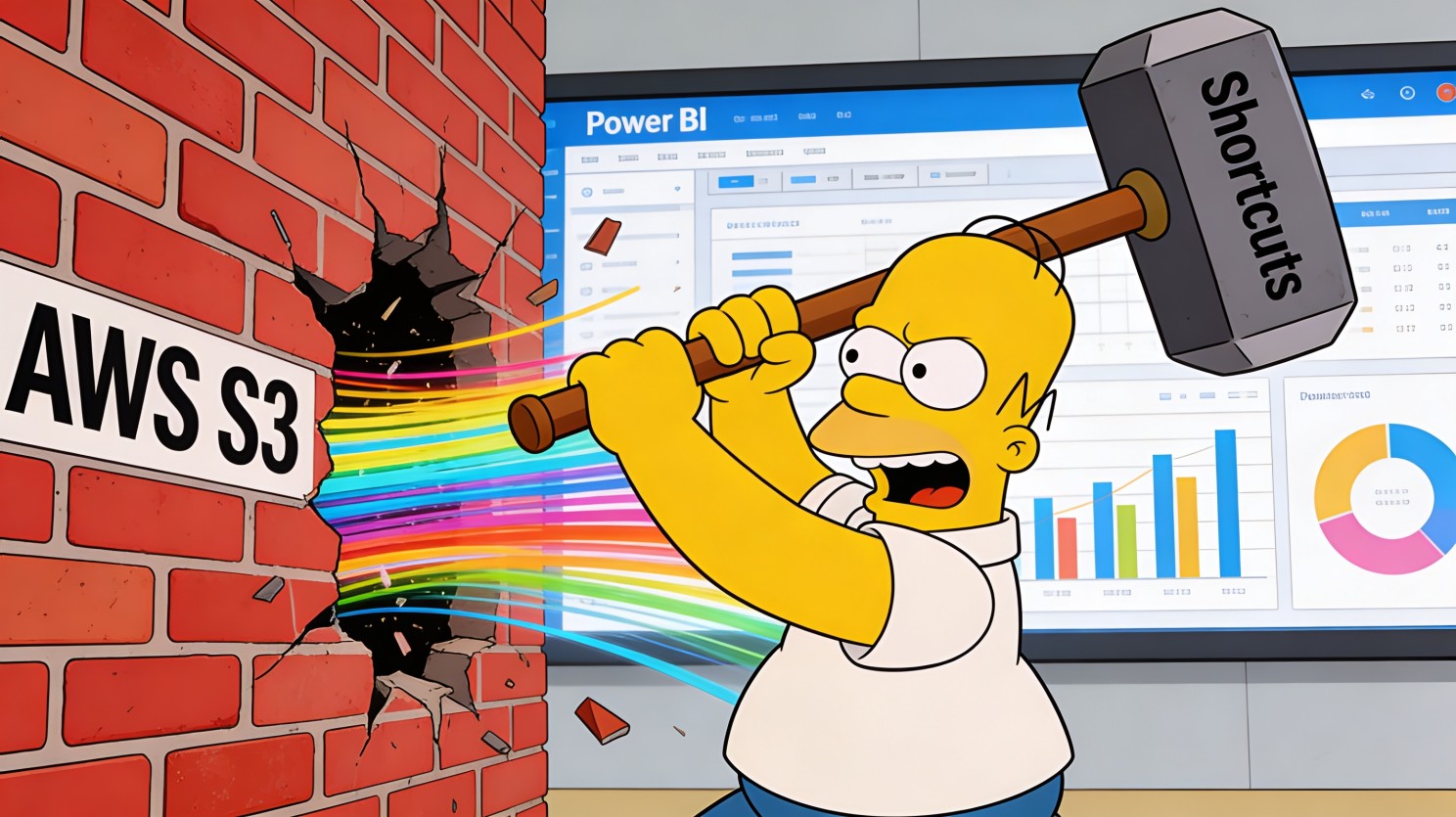
What is Microsoft Fabric Shortcuts?

What is Microsoft Fabric Shortcuts?

Simplify Enterprise Data with Microsoft Fabric Shortcuts

Microsoft Fabric shortcuts in OneLake unify data across clouds and accounts. This knowledgebase article explains what is Microsoft Fabric shortcuts and how it streamlines data management, reduce redundancy, and accelerate analysis, making enterprise data accessible with less complexity.

Make sense of your business data with clear, interactive visuals. This page explains what is Power BI, how it works, and why Allston Yale recommends it for any organization seeking actionable insight and informed strategy.

Allston Yale Serves Businesses in Texas and across the USA

Understanding Microsoft Fabric Shortcuts

Shortcuts in OneLake are objects pointing to other storage locations, internal or external. They behave like symbolic links, allowing analytical engines to access data without copying it. Shortcuts simplify management by centralizing permissions and credentials across all connected data sources.

Shortcut Comparison Across Data Analytics Tools

For a deeper appreciation of what is Microsoft Fabric shortcuts, it’s helpful to compare how Fabric shortcuts differ from traditional data integration methods in tools like Power BI and Tableau. This table shows connection flexibility, data duplication needs, and access control for enterprise analytics

Data Connectivity Comparison
Feature Microsoft Fabric Shortcuts Power BI Dataflows Tableau Virtual Connections
Data Unification Connects multiple clouds/accounts via OneLake Combines sources in workspace; copies may be required Connects multiple sources; may require staging
Permissions Centralized, managed in OneLake Managed per dataflow or dataset Managed per connection or project
Data Duplication Eliminates redundant copies May require duplicate storage for some transformations May require duplicating extracts for certain use cases
Integration Speed Fast, direct access without staging Moderate, depends on refresh schedule Moderate, extract or live connections affect speed
Fault Isolation Deleting shortcut does not affect target Deleting dataset may remove dependent queries Deleting connection may break dependent workbooks
  • Data Unification

    Data Unification

    Microsoft Fabric shortcuts unify multiple clouds and accounts via OneLake, giving users a single access point without duplicating data. Power BI combines sources in a workspace, but copies may still be needed. Tableau connects multiple sources but often requires staging.

  • Permissions

    Permissions

    Permissions in Microsoft Fabric are centralized in OneLake, reducing redundant credential setups and simplifying management. Power BI handles permissions per dataset or dataflow, while Tableau manages them per connection or project.

  • Data Duplication

    Data Duplication

    Microsoft Fabric shortcuts remove unnecessary data copies, optimizing storage and reducing latency. Power BI may require duplicates for certain transformations, while Tableau often duplicates extracts to ensure performance. This makes shortcuts a more efficient method.

  • Integration Speed

    Integration Speed

    Shortcuts provide fast, direct access to data without staging, accelerating analytics workflows. Power BI speed depends on refresh schedules, and Tableau speed can vary based on live connections or extracts. Microsoft Fabric optimizes throughput

  • Fault Isolation

    Fault Isolation

    In Microsoft Fabric, deleting a shortcut doesn’t impact the target, preventing accidental data loss. Power BI may remove dependent queries if datasets are deleted, and Tableau connections can break workbooks if removed. Microsoft Fabric shortcuts enhance operational safety

Benefits of Utilizing Microsoft Fabric Shortcuts

Using Allston Yale’s Microsoft Fabric shortcuts service simplifies enterprise data management. Shortcuts reduce duplication, unify data access, and centralize permission handling, enabling faster analytics and more reliable insights

  • Centralized Data Access

    OneLake shortcuts allow all your enterprise data to be accessed from a single location, removing the need to separately configure each Fabric workload or data connection individually.

  • Reduced Data Duplication

    By using shortcuts, you avoid creating multiple copies of the same data across platforms, saving storage space, reducing latency, and maintaining a single source of truth for accurate analytics.

  • Improved Performance

    Shortcuts provide direct access to data without staging or duplication, accelerating analytics workflows, minimizing processing delays, and allowing faster insights for decision-making across platforms.

  • Simplified Permissions

    All access rights and credentials are centrally managed in OneLake, eliminating redundant setups for each data source, ensuring secure, consistent, and easily maintainable permission structures.

  • Independent Shortcuts

    Shortcuts are separate objects from their target data, so deleting, moving, or renaming a shortcut won’t affect the original dataset, ensuring safe and reliable data management operations.

  • Seamless Integration

    OneLake shortcuts enable connection to multiple clouds and accounts within a unified namespace, simplifying cross-platform analytics and making it easier to integrate data from diverse environments efficiently.

What is Microsoft Fabric Shortcuts? Unlock Unified Data

Microsoft Fabric shortcuts allow organizations to centralize data access, cut redundant copies, and streamline analytics. Allston Yale’s services help you deploy these shortcuts effectively, improving efficiency and insight delivery. Book a consultation today to optimize your data environment.

What is Microsoft Fabric?

What is Microsoft Fabric?

Unleash the Power of Microsoft Fabric

Microsoft Fabric is a comprehensive suite of data management and analysis tools designed to enable businesses to optimize their data infrastructure. In this "What is Microsoft Fabric?" knowledgebase page, we will explore its features, capabilities, and how it can revolutionize your business's data strategy.

Make sense of your business data with clear, interactive visuals. This page explains what is Power BI, how it works, and why Allston Yale recommends it for any organization seeking actionable insight and informed strategy.

Allston Yale Serves Businesses in Texas and across the USA

Microsoft Fabric: A Unified Solution

Microsoft Fabric is an all-in-one data platform that integrates various data services into a single, cohesive ecosystem. It brings together data engineering, analytics, machine learning, and business intelligence into a unified environment. This allows organizations to manage, analyze, and visualize their data effortlessly, enhancing collaboration across departments and unlocking actionable insights that drive growth

Powering Insights with Microsoft Fabric

Before diving into the table, here’s a look at what is Microsoft Fabric and how it stands out in the ecosystem of data management. Its platform provides a seamless blend of analytics, AI, and machine learning capabilities, helping businesses make informed decisions. Below is a comparison of Microsoft Fabric with other data tools to highlight its unique advantages.

Data Platform Comparison
Feature Microsoft Fabric Azure Synapse Analytics AWS Redshift
Data Integration Unified platform with end-to-end integration Powerful data integration but complex Requires additional setup for integrations
Analytics & BI Built-in tools for advanced analytics and business intelligence Advanced analytics, but less intuitive Good analytics but limited visualization
Machine Learning Seamless integration with Azure ML and Power BI Integrated with Azure ML for AI projects Strong ML support, but not as flexible
Cost Cost-effective for enterprise solutions Expensive for large-scale usage High cost for larger data workloads
Scalability Easily scalable with cloud infrastructure Scalable but more complex setup High scalability, but may need optimization
  • Data Integration

    Data Integration

    Microsoft Fabric offers seamless integration with a variety of data sources, making it highly adaptable. This is an essential feature for businesses with multiple data systems. Azure Synapse Analytics also provides robust integration capabilities but requires more complex configuration. AWS Redshift requires additional setup for integrating multiple sources effectively

  • Analytics & BI

    Analytics & BI

    Microsoft Fabric’s built-in analytics and BI tools make it easy to generate meaningful insights without needing additional software or tools. Azure Synapse Analytics has advanced analytics capabilities but may be less intuitive for end-users. AWS Redshift delivers strong analytics, but visualization capabilities are limited without third-party tools 

  • Machine Learning

    Machine Learning

    Microsoft Fabric provides smooth integration with Azure ML, helping businesses implement machine learning models that can automate decision-making processes. Azure Synapse integrates well with Azure ML, allowing AI projects to run on existing data pipelines. AWS Redshift supports ML through integrated services, but customization is less flexible.

  • Cost

    Cost

    Compared to other platforms, Microsoft Fabric provides a more cost-effective solution for businesses of all sizes, offering enterprise-level capabilities at a competitive price.

  • Scalability

    Scalability

    The cloud-native nature of Microsoft Fabric allows it to scale easily with the growth of a business, ensuring the platform grows with your data

Unlock the Benefits of Microsoft Fabric

Microsoft Fabric delivers unmatched power for organizations looking to manage and analyze their data. By implementing Microsoft Fabric, businesses gain the ability to streamline data operations, enhance collaboration, and drive business intelligence. Below are the key benefits of using Allston Yale’s Microsoft Fabric services.

  • Streamlined Data Management

    Microsoft Fabric integrates all aspects of data management, from data collection to analysis, into a single platform, allowing your teams to work more efficiently and collaboratively on data-driven projects.

  • Advanced Analytics

    With its built-in analytics capabilities, Microsoft Fabric enables businesses to make data-driven decisions with advanced visualizations, real-time insights, and comprehensive reports.

  • Seamless Machine Learning

    Leveraging Azure ML, Microsoft Fabric seamlessly integrates machine learning into your data workflow, enabling smarter decision-making and automation across your business.

  • Cost-Effective Scaling

    Microsoft Fabric is built for businesses of all sizes, offering flexible pricing structures that grow with your data needs. This means that you can scale your infrastructure without incurring excessive costs.

  • Increased Collaboration

    The collaborative features of Microsoft Fabric promote seamless communication and data sharing between teams, which ensures faster project completion and better alignment on data-driven objectives.

  • Enhanced Data Security

    With robust security measures and governance tools, Microsoft Fabric ensures that your data is protected at all times, while maintaining compliance with industry regulations.

What is Microsoft Fabric? Discover It with Allston Yale!

Microsoft Fabric empowers organizations to manage their data with ease and precision. By leveraging Allston Yale’s Microsoft Fabric services, you’ll gain access to top-tier analytics, machine learning, and data management tools to fuel your business success. Book a consultation with us today to see how we can transform your data strategy.

Allston Yale Serves Businesses in Texas and across the USA